 Post by
 The construction industry is evolving rapidly, with increasing pressure on contractors and suppliers to deliver projects faster, more sustainably, and with greater precision. To meet these growing demands, aluminium formwork systems have become a preferred choice for modern building projects due to their high reuse rate, uniform quality, and ability to support fast construction cycles. But leveraging these advantages effectively depends on one crucial operational factor, efficient formwork inventory management.
For Aluminium Formwork Vendors and suppliers, the ability to track, maintain, and deliver components on time directly influences project success and profitability. When inventory control slips, it can lead to severe construction delays, damaged components, cost overruns, and client dissatisfaction. Maintaining a robust, organized inventory isn’t just about logistics it’s a competitive differentiator.
Why Proper Formwork Inventory Management Matters
Formwork components like panels, beams, props, wall ties, corner angles, and accessories are continuously handled, transported, and reused across sites. Without proper control, common issues arise:
- Loss or misplacement of components
- Damage due to poor storage and handling
- Increased replacement costs
- Delayed project schedules
- Safety hazards on construction sites
For suppliers and Aluminium Formwork Vendors, inefficient inventory management can result in significant financial leakage and poor customer satisfaction. Ensuring the right components are delivered to the right project at the right time is crucial for long-term business success.
Best Practices for Maintaining Formwork Inventory
1. Standardized Component Cataloging
One of the key challenges in aluminium formwork systems is the sheer variety of component types and dimensions. Implementing structured cataloging ensures traceability and clarity.
Best practices include:
- Assigning unique part codes and barcode/RFID tracking
- Using standardized naming conventions and labeling
- Maintaining detailed component specifications and compatibility data
This helps streamline procurement, logistics, and onsite identification, minimizing confusion and delays.
2. Utilize Advanced Inventory Management Technology
Manual tracking through spreadsheets introduces errors and inefficiencies. Modern formwork suppliers are adopting:
- ERP solutions tailored to construction equipment
- Cloud-based inventory management platforms
- RFID and QR scanning for automated tracking
- Real-time updates on asset usage and location
These technologies provide full visibility into stock levels and movement, helping vendors avoid stockouts or over-production.
3. Conduct Regular Quality Inspections
Aluminium formwork undergoes wear and tear through repeated casting cycles. Routine inspection prevents damaged components reaching the site, reducing risk and rework.
Inspection checklist highlights:
- Check for dents, cracks, and deformation in panels
- Inspect weld joints and connections
- Prevent corrosion through protective measures
- Confirm cleanliness and remove concrete residue
Establish a clear grading system for repair, replacement, or recycling decisions.
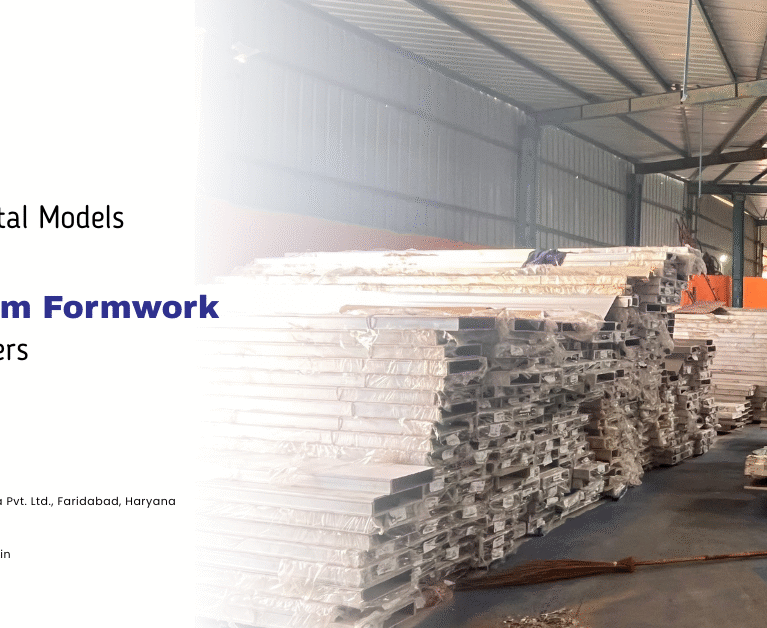
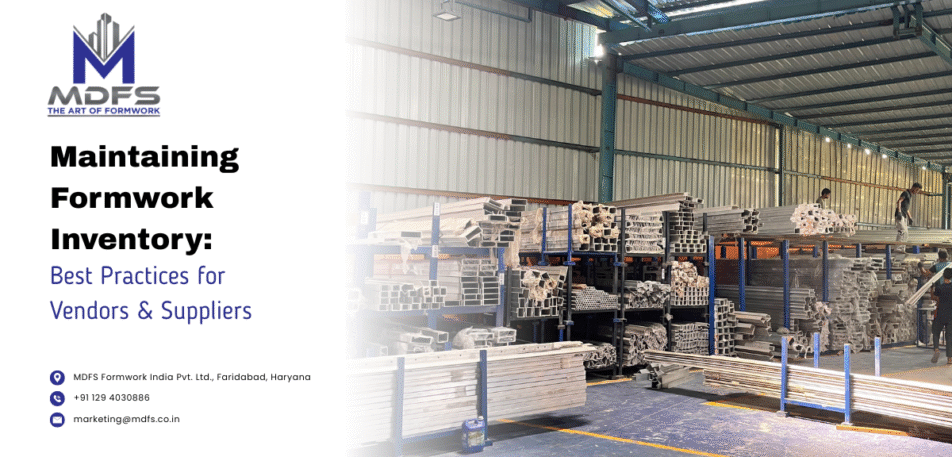
4. Optimize Storage Practices
Improper storage can lead to premature damage and increased costs. Vendors should adopt:
- Shelving systems that separate formwork types
- Weather-protected warehouses to prevent corrosion
- Load-optimized stacking layouts to avoid bending
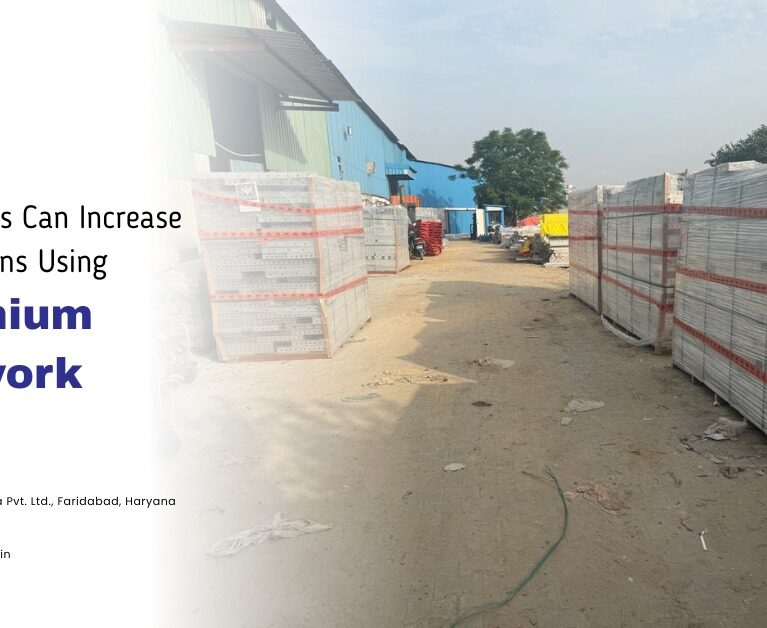
- Designated areas for incoming and outgoing items
Maintaining clean and organized storage improves handling efficiency and keeps components project-ready.
5. Preventive Maintenance and Timely Repairs
Aluminium formwork systems may last hundreds of construction cycles if maintained well. Vendors should have dedicated maintenance teams that:
- Repair damaged sections immediately
- Use compatible replacement parts
- Apply protective coatings and lubrication where needed
Maintaining repair logs ensures cost tracking and lifecycle assessment for future planning.
6. Accurate Forecasting Based on Project Data
Demand forecasting helps vendors maintain balanced inventories. Factors to consider:
- Number and size of ongoing customer projects
- Project timelines and pouring cycles
- Seasonal construction trends
By syncing with contractor schedules, suppliers can ensure optimal material readiness and asset utilization.
7. Responsible Component Tracking Across Sites
Lost or stolen items can drastically impact profitability. Vendors should use:
- A digital asset tracking system for dispatch and return
- Detailed documentation for component handover
- GPS-enabled monitoring for high-risk items
- Security-aware logistics procedures
Clear accountability helps customers reduce losses while protecting vendor assets.
The Role of Aluminium Formwork Vendors in Project Success
Today’s construction sector values reliability and professional partnership. When Aluminium Formwork Vendors maintain well-managed inventories, they offer several benefits:
- Faster delivery times and reduced project delays
- Higher safety standards on construction sites
- Reduced rework due to better-conditioned formwork
- Better communication and transparency with contractors
- Enhanced project quality and structural accuracy
Strong inventory control builds trust and long-term business relationships.
Sustainability Through Intelligent Inventory Management
One of the greatest advantages of aluminium formwork systems is sustainability. Effective inventory practices extend lifecycle usage and reduce material waste significantly compared to timber or steel alternatives.
Eco-friendly gains include:
- Lower carbon footprint due to reusability
- Reduced raw material demand over time
- Better recycling opportunities at end-of-life stage
Sustainable practices are becoming increasingly valued by developers and regulatory bodies, giving vendors a competitive advantage.
Conclusion
Maintaining formwork inventory is not just a backend logistical task, it’s a critical strategy that shapes customer satisfaction, sustainability, and business growth. The best Aluminium Formwork Vendors integrate digital solutions, rigorous inspection routines, and efficient storage and logistics processes to ensure their formwork systems remain durable, traceable, and readily available.
As construction demands continue to evolve, suppliers who invest in smarter inventory management will stand out as reliable partners, driving successful project outcomes and building long-term industry leadership.