Post by
 The construction industry is no longer defined by brick, mortar, and manual labor alone; it’s driven by precision engineering, automation, and smarter materials. Among these advancements, aluminium formwork systems have reshaped how modern structures are built. Lightweight, reusable, and remarkably efficient, aluminium formwork has become a preferred choice for high-rise, residential, and infrastructure projects across India and beyond.
But while the product itself is transformative, true project success often depends on the expertise behind it. Leading aluminium formwork providers today are not just material suppliers they are strategic partners offering end-to-end formwork solutions that support design, engineering, training, and execution. Their role extends far beyond delivery; they enable construction teams to build faster, safer, and with greater precision.
From Material Supply to Project Partnership
Traditionally, formwork suppliers were viewed as material vendors responsible for delivering panels, accessories, and support systems based on contractor specifications. However, the growing complexity of construction projects has changed that dynamic. Developers, contractors, and infrastructure firms now seek providers who can deliver not just materials but complete engineering, design, and implementation support.
Today’s leading aluminium formwork providers integrate themselves into the project ecosystem from the earliest planning stages. They collaborate with architects and structural engineers to understand design intent, assess site constraints, and create efficient formwork layouts that reduce labor, time, and waste. By doing so, they ensure that every component delivered to the site fits perfectly into the project’s timeline, design, and quality standards.
Design and Engineering Expertise
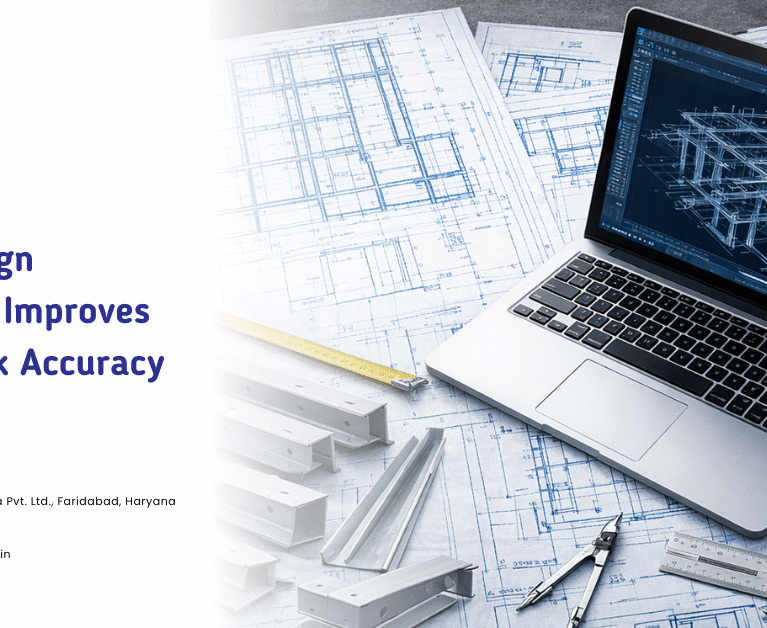
The strength of an end-to-end provider lies in their engineering capabilities. Aluminium formwork systems are highly customizable, allowing for complex layouts, multi-storey configurations, and architectural variations. To maximize these benefits, providers invest in specialized design teams that use advanced software for 3D modelling, simulation, and load analysis.
These design teams help optimize formwork plans for:
- Faster assembly and striking cycles
- Reduced material handling
- Better concrete finish quality
- Lower rework and repair costs
A strong engineering foundation ensures that the formwork system is not just functional but also economical and aligned with the project’s long-term performance goals.
Customization and Value Engineering
Every construction project comes with unique challenges: site dimensions, architectural layouts, repetition cycles, and budget constraints. This is where the best aluminium formwork providers differentiate themselves. Instead of offering off-the-shelf solutions, they deliver customized, value-engineered designs tailored to specific project needs.
For example, by analysing the project’s floor plate repetition, providers can suggest modular configurations that minimize redundant panels and optimize reusability. This approach not only reduces initial investment but also lowers lifecycle costs making aluminium formwork one of the most sustainable solutions in the modern construction toolkit.
Training and On-Site Support
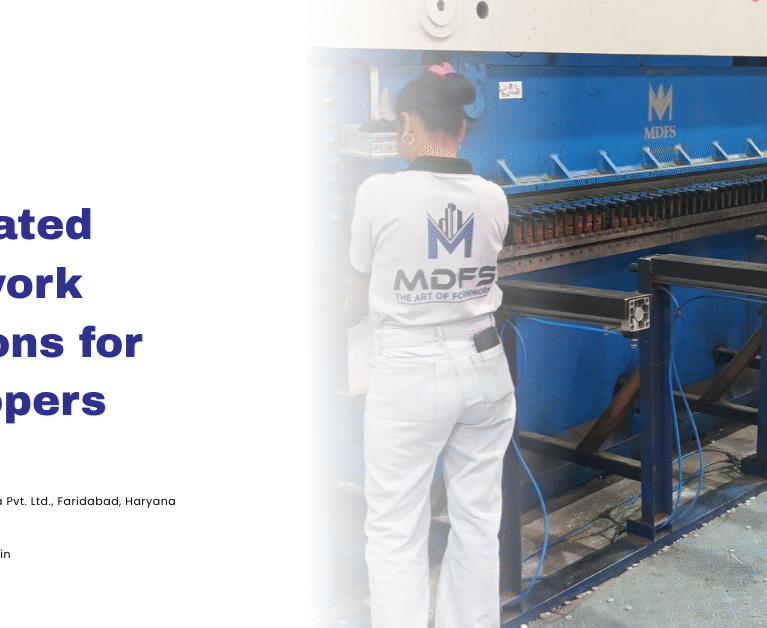
End-to-end formwork solutions go far beyond design and delivery. Providers increasingly take responsibility for on-site implementation and workforce training, ensuring that the construction team can assemble, use, and maintain the system effectively.
Training programs typically cover:
- Safe handling and installation of aluminium formwork
- Sequence of assembly and striking
- Maintenance and storage best practices
- Troubleshooting common issues on-site
Some aluminium formwork providers even deploy field engineers or site coordinators to monitor installation, address technical challenges, and ensure that every cycle runs smoothly. This proactive engagement helps contractors meet tight deadlines while maintaining superior structural and surface quality.
Logistics, Maintenance, and Lifecycle Management
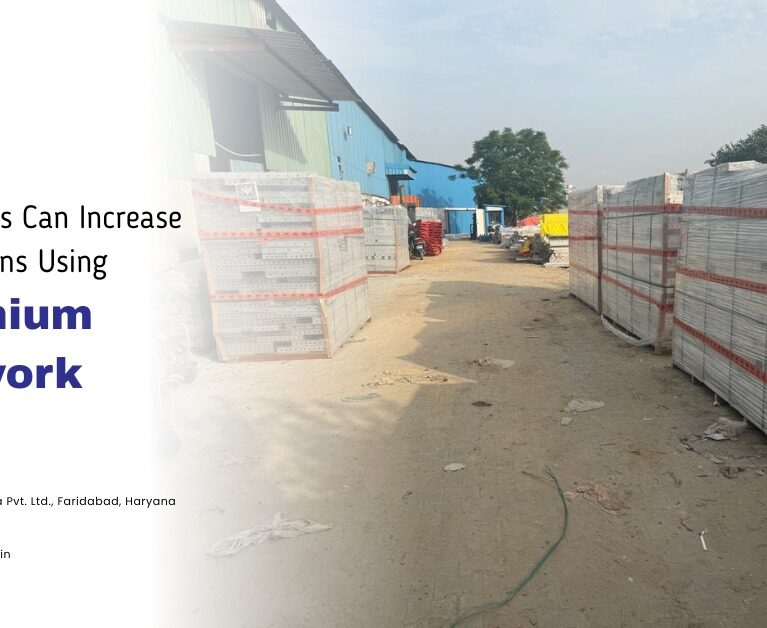
Efficient logistics and inventory management are vital components of an end-to-end solution. Reputed providers manage the complete supply chain from manufacturing and packaging to delivery and return logistics. For large-scale projects, they often provide tracking systems to monitor the movement and condition of formwork materials.
Beyond delivery, several providers offer formwork maintenance, refurbishment, and reconfiguration services. Instead of replacing damaged or outdated panels, clients can have them repaired or adapted for new projects extending usability and reducing costs. This lifecycle approach aligns with the construction industry’s growing focus on sustainability and circular resource use.
Technology Integration and Digitalization
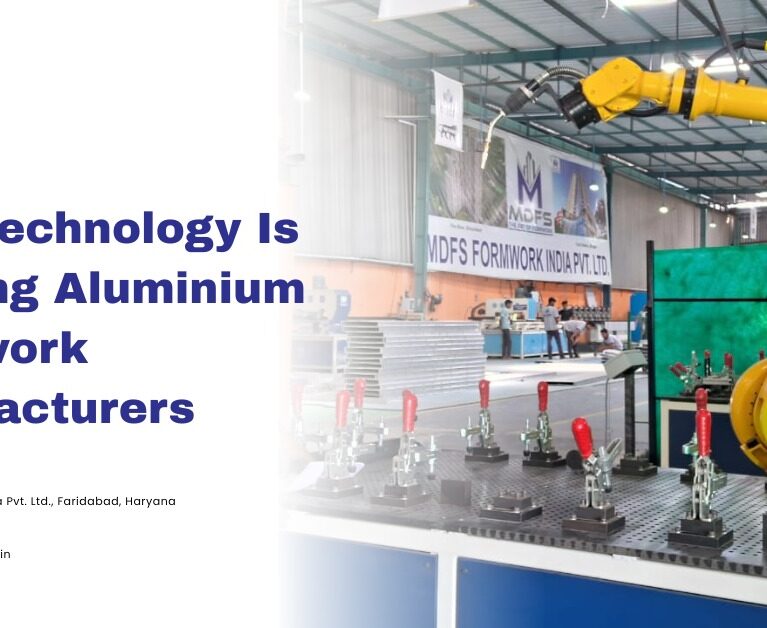
The most forward-thinking aluminium formwork providers are also embracing digital transformation. Using Building Information Modelling (BIM), Internet of Things (IoT), and cloud collaboration tools, they are improving how formwork is designed, tracked, and managed.
Digital twins, for instance, allow teams to visualize how each formwork component fits into the structure before installation begins. IoT sensors can help monitor on-site usage or material conditions in real-time. Such innovations bridge the gap between design intent and on-ground execution, reducing delays and enhancing overall productivity.
Sustainability as a Core Value
Aluminium formwork already offers significant environmental advantages; it’s durable, fully recyclable, and reusable across multiple projects. However, end-to-end providers take sustainability further by optimizing design for minimal waste, offering reuse programs, and using environmentally responsible manufacturing processes.
By integrating green practices and materials into their operations, they help clients align with ESG (Environmental, Social, and Governance) goals and sustainable construction standards without compromising on performance or aesthetics.
Why Contractors Prefer End-to-End Partners
The shift from supplier to solution provider is more than a business trend, it’s a strategic necessity. Modern construction projects operate on tight margins and tighter deadlines. Partnering with an end-to-end aluminium formwork provider allows contractors to reduce project risk, improve coordination, and ensure consistency in quality and delivery.
Such partnerships bring together:
- Technical expertise and practical insight
- Streamlined project management
- Reduced dependency on multiple vendors
- Long-term cost savings and material efficiency
Ultimately, these providers don’t just sell aluminium panels they deliver assurance, expertise, and efficiency across the project lifecycle.
Conclusion
The construction industry is moving toward integrated, collaborative, and technology-driven practices. In this environment, aluminium formwork providers who offer end-to-end solutions stand out as enablers of modern infrastructure growth.
By combining engineering precision, on-site support, sustainability, and digital innovation, they empower contractors to build faster, safer, and smarter. Going beyond supply, they redefine what partnership in construction truly means transforming formwork from a tool into a cornerstone of modern building excellence.