 Post by
 In 2026, the construction industry is experiencing a rapid transformation driven by technology, sustainability demands, and the relentless pursuit of efficiency. Among the most significant changes is the evolution of formwork systems, particularly aluminium solutions that are redefining how buildings are cast and assembled. Aluminium formwork manufacturers are at the forefront of this revolution, pioneering innovations that significantly improve project timelines, reduce waste, and elevate structural quality.
1. Smart Materials: The New Frontier
One of the most notable innovations in aluminium formwork manufacturing is the development and integration of advanced smart materials. Traditional formwork relied on basic aluminium alloys that provided strength and lightness. However, cutting-edge metallurgical processes in 2026 have enabled manufacturers to introduce hybrid alloys with higher strength-to-weight ratios, enhanced durability, and greater resistance to wear and tear.
These next-generation aluminium systems not only reduce the weight of formwork panels but also increase their lifecycle. For builders, this means faster assembly, fewer replacements, and decreased long-term costs solidifying the value proposition from Aluminium formwork manufacturers who invest in material science.
2. Digital Twin Integration for Precision and Predictive Maintenance
Digital twin technology, once limited to high-tech industries such as aerospace and automotive, has now entered the realm of construction. Leading Aluminium formwork manufacturers are applying this innovation to create precise digital replicas of formwork components. These digital twins provide real-time performance tracking, predictive maintenance alerts, and optimization insights throughout the construction cycle.
The digital twin approach enables project managers to monitor formwork behavior under load, predict potential failures before they occur, and schedule maintenance without downtime. This shift not only enhances safety but also brings a level of data-driven decision-making previously unseen in formwork systems.
3. Modular and Interlocking Design Enhancements
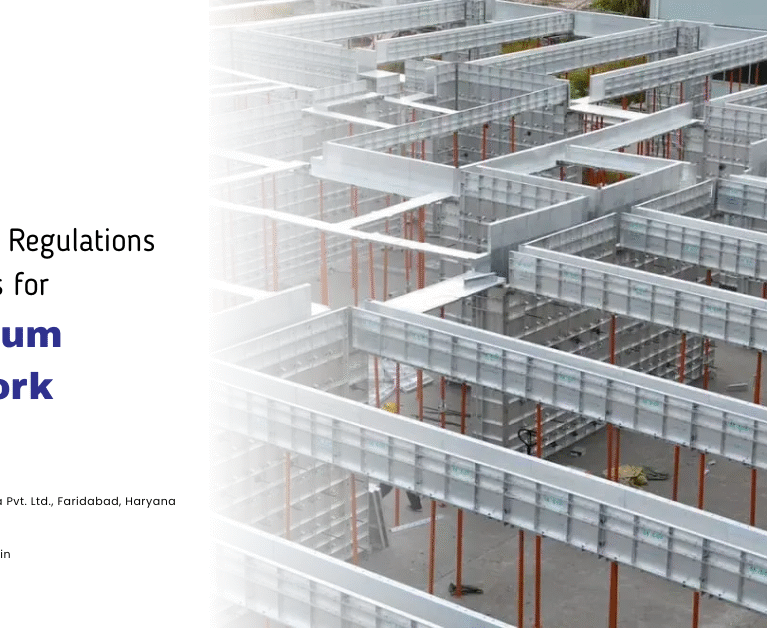
2026’s design trends in aluminium formwork revolve around modularity and ease of use. Contemporary systems are becoming more intuitive, with interlocking components that reduce reliance on supplementary fasteners and complex assembly tools. These modular systems are engineered to snap or lock into place with minimal effort, enabling crews to erect formwork faster and with greater accuracy.
This innovation benefits construction sites by shortening labor hours, reducing the risk of assembly errors, and improving overall project predictability. Aluminium formwork manufacturers focusing on user-centric design are gaining increased market traction as a result, particularly in high-volume housing and commercial construction.
4. Sustainable Manufacturing and Circular Economy Practices
Sustainability has moved from a buzzword to a business imperative in the construction supply chain. Manufacturers of aluminium formwork are now adopting eco-friendly production techniques such as recycled material integration, energy-efficient casting processes, and closed-loop recycling programs.
By processing scrap aluminium into high-quality panels and reducing carbon emissions during production, these manufacturers help construction firms achieve greener project certifications and compliance with global environmental standards. The long lifespan of aluminium itself coupled with recyclability makes it a preferred choice, especially where sustainability influences procurement decisions.
5. Automation and Robotics in Fabrication
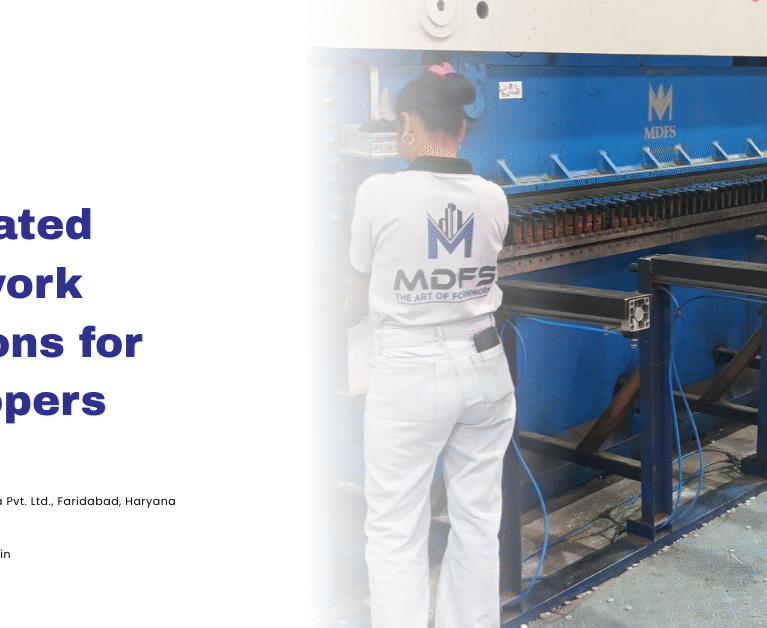
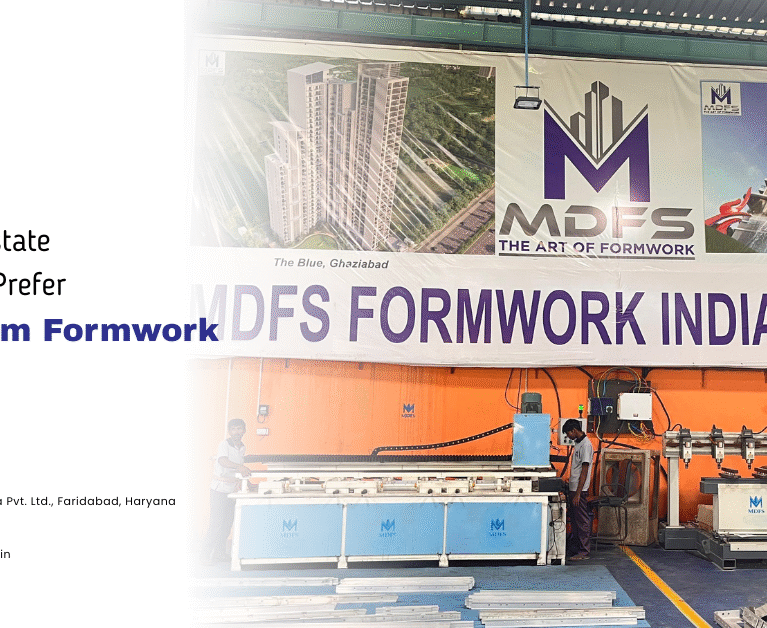
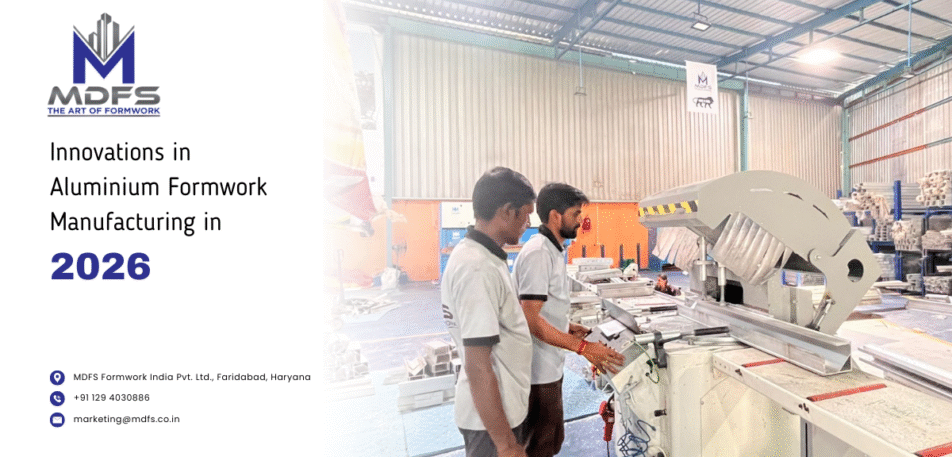
Automation has taken a central role in manufacturing plants where aluminium formwork components are produced. Robotics and CNC machining systems now handle precision cutting, welding, drilling, and finishing, ensuring components are manufactured to exact specifications with minimal defects.
This automation results in faster lead times, enhanced quality control, and reduced dependency on manual labor critical factors that Aluminium formwork manufacturers must address to stay competitive. Moreover, automated facilities are more adaptable to custom orders, allowing bespoke solutions for complex architectural forms without compromising accuracy.
6. Enhanced Safety Mechanisms
Safety remains paramount on any construction site, and formwork systems are no exception. Innovations such as integrated guardrail channels, anti-slip surfaces, and ergonomic handle designs are becoming standard offerings from forward-thinking aluminium formwork providers. Some manufacturers are even embedding sensor technology into panels to detect misalignment or unsafe load conditions, sending alerts directly to site managers.
These safety advancements not only protect workers but also reduce project risk, insurance costs, and delays associated with on-site accidents, thereby elevating the reputation of manufacturers who prioritize human-centric design.
7. Cloud-Connected Project Management Tools
In response to the increased complexity of construction projects, Aluminium formwork manufacturers are now offering digital platforms that integrate seamlessly with cloud-based project management tools. These platforms allow architects, engineers, and on-site teams to visualize formwork plans, track inventory, log usage data, and coordinate deliveries in real time.
This level of connectivity promotes transparency across stakeholders, reduces errors due to miscommunication, and enhances overall project efficiency, a critical advantage in tight schedules and competitive bidding environments.
Conclusion
As 2026 unfolds, innovation in aluminium formwork is reshaping the construction landscape. From smart materials and digital twins to modular designs and sustainable manufacturing, Aluminium formwork manufacturers are driving unprecedented improvements in efficiency, safety, and environmental performance. These advances empower builders to complete projects faster, safer, and more cost-effectively while meeting the evolving expectations of clients and regulators alike.
The future of construction hinges on such progressive technologies, making aluminium formwork not just a building solution, but a strategic asset in the industry’s transformation.