 Post by
 In today’s fast-moving construction industry, precision is no longer optional, it is essential. Delays, rework, wastage, and structural inconsistencies can significantly affect project timelines and profitability. This is where advanced design software has transformed the way modern construction systems are planned and executed. For Aluminium formwork companies, digital design tools are playing a critical role in improving formwork accuracy, reducing errors, and delivering faster project execution.
As construction projects become larger and more complex, relying only on manual calculations and traditional drawings is no longer enough. Smart software solutions now help manufacturers, engineers, and project teams create accurate formwork systems before production even begins.
The Need for Accuracy in Formwork Systems
Formwork acts as the temporary mould that shapes concrete structures such as walls, slabs, columns, beams, and staircases. Even small measurement mistakes in formwork design can create major issues on-site, including:
- Misaligned walls
- Poor concrete finish
- Material wastage
- Delays in assembly
- Increased labour costs
- Safety risks during installation
For Aluminium formwork companies, accuracy is especially important because aluminium systems are reusable, modular, and designed for repeated use across multiple construction cycles. Any design error can impact not just one pour, but the entire project schedule.
How Design Software Changes the Game
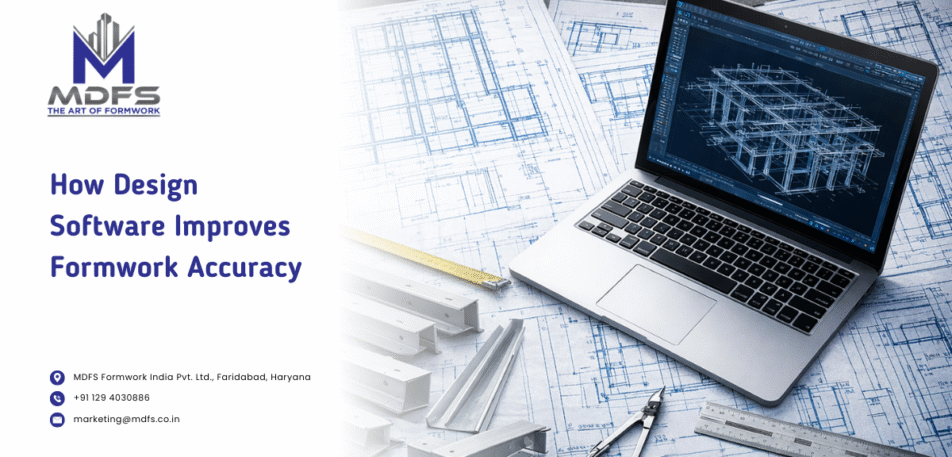
Modern design software allows engineers to create detailed digital models of buildings and convert those models into accurate formwork layouts. Instead of depending only on manual drafting, software can calculate dimensions, load requirements, panel placement, and assembly sequencing with greater speed and precision.
This creates a smarter workflow from concept to manufacturing to on-site installation.
1. Precise Measurements and Layout Planning
The biggest advantage of design software is exact dimensional planning. Engineers can model the entire structure in 2D and 3D to ensure each panel fits correctly.
With digital tools, Aluminium formwork companies can identify:
- Wall heights and slab depths
- Beam intersections
- Staircase geometry
- Door and window openings
- Repetitive unit layouts
This level of detail minimizes site adjustments and ensures smooth installation.
2. Clash Detection Before Production
One of the most common causes of construction errors is clashes between structural, plumbing, and electrical systems. Design software can detect these issues before manufacturing starts.
For example, if a wall tie location interferes with conduit lines or openings, the software highlights it early. This prevents expensive modifications later.
For Aluminium formwork companies, early clash detection saves time, reduces redesign costs, and improves coordination with project consultants.
3. Faster Customization for Different Projects
Every construction project has unique layouts, elevations, and structural requirements. Design software allows teams to customize formwork solutions quickly without starting from scratch each time.
Instead of redrawing everything manually, engineers can modify templates, repeat standard modules, and optimize panel combinations. This helps Aluminium formwork companies respond faster to client requirements while maintaining precision.
4. Better Material Optimization
Material planning is critical for cost control. Advanced software calculates the exact number of panels, accessories, ties, props, and supports needed for each project.
This helps reduce:
- Excess inventory
- Unused material
- Production waste
- Last-minute shortages
For manufacturers, efficient planning means better margins. For clients, it means smoother project execution.
5. Improved Manufacturing Accuracy
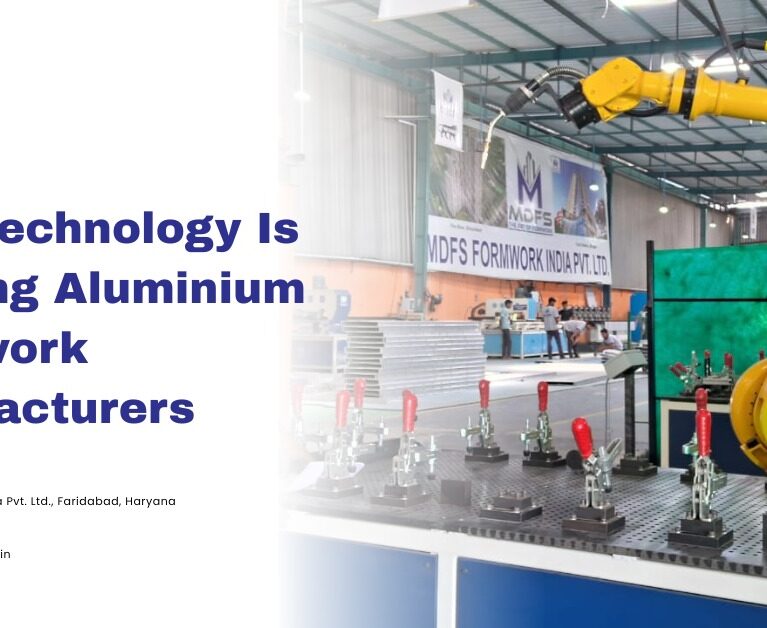
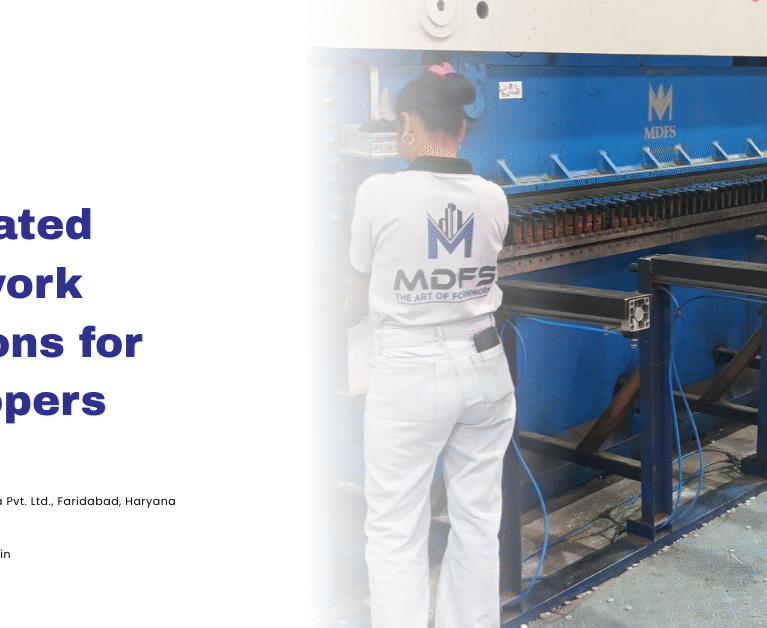
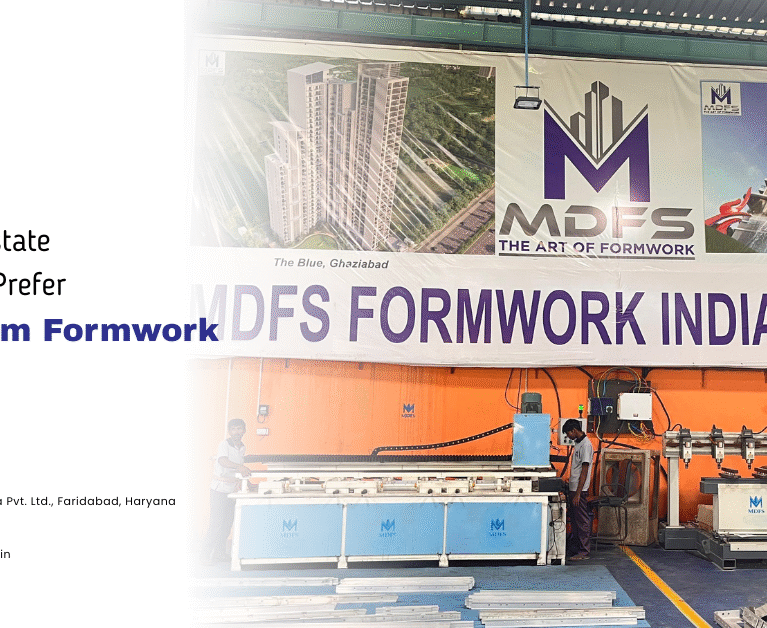
Once the design is finalized, digital files can be integrated with CNC machines and automated fabrication systems. This means aluminium panels can be cut, drilled, and assembled according to precise specifications.
This direct connection between software and production reduces human error and improves consistency. Leading Aluminium formwork companies increasingly rely on this approach to deliver high-quality systems at scale.
6. Easier Site Installation
Accurate design software also improves on-site execution. Numbered panels, assembly drawings, sequencing plans, and installation guides can be generated automatically.
This helps site teams:
- Assemble systems faster
- Reduce confusion among workers
- Maintain correct panel positioning
- Improve cycle times floor after floor
For large residential and commercial towers, this efficiency creates major time savings.
7. Better Project Coordination Through BIM
Many modern builders now use BIM (Building Information Modeling), where architecture, structure, and services are coordinated in one digital model.
When Aluminium formwork companies work within BIM environments, collaboration becomes smoother. Changes in building design can be updated quickly, allowing revised formwork layouts without major delays.
This improves communication between developers, consultants, contractors, and manufacturers.
Long-Term Business Benefits for Aluminium Formwork Companies
Using advanced design software is not just about technical accuracy it also strengthens business performance.
Benefits include:
- Faster project turnaround
- Higher customer trust
- Lower rework costs
- Improved scalability
- Better productivity
- Stronger competitive advantage
Clients today expect precision, speed, and reliability. Companies using digital systems are better positioned to meet those expectations.
The Future Is Digital Precision
As the construction sector continues to modernize, software-driven planning will become standard practice rather than an advantage. Projects are growing taller, deadlines are tighter, and cost pressures are higher than ever.
That means Aluminium formwork companies must continue investing in smarter design systems, automation, and digital workflows.
Accuracy is no longer achieved only on the construction site it begins on the computer screen.
Conclusion
Design software has revolutionized how formwork systems are planned, manufactured, and installed. From precise measurements to clash detection, material optimization, and seamless production, digital tools reduce errors and improve project efficiency at every stage.
For forward-thinking Aluminium formwork companies, embracing design software is not just about technology, it is about delivering dependable results, faster timelines, and higher quality construction outcomes. In an industry where precision defines success, software has become one of the most valuable tools available today.