 Post by
 The construction industry is undergoing a rapid transformation, and at the center of this evolution are aluminium formwork manufacturers. Once reliant on manual processes and traditional fabrication methods, the sector is now embracing advanced technologies to meet the growing demand for speed, efficiency, and consistency in modern construction projects. From automation to digital design tools, technology is redefining how aluminium formwork manufacturers operate, compete, and deliver value.
The Shift Toward Digital Design and Planning
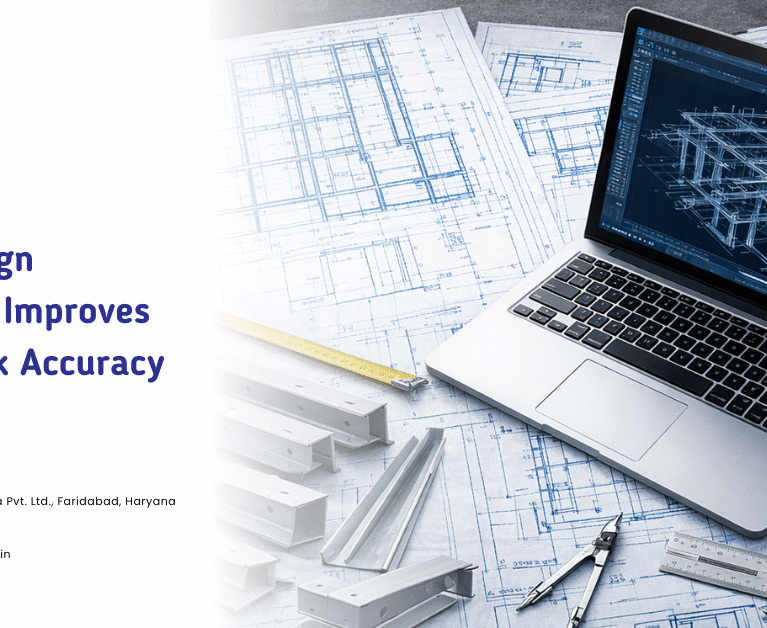
One of the most significant changes in recent years is the adoption of digital design platforms. Tools like Building Information Modeling (BIM) allow aluminium formwork manufacturers to create detailed 3D models of structures before production begins. This enables better visualization, early detection of design conflicts, and smoother coordination between architects, engineers, and manufacturers.
With digital planning, manufacturers can simulate how formwork systems will perform on-site, reducing errors and minimizing rework. It also allows for faster customization based on project requirements, which is particularly valuable in large-scale residential and commercial developments.
Automation in Manufacturing Processes
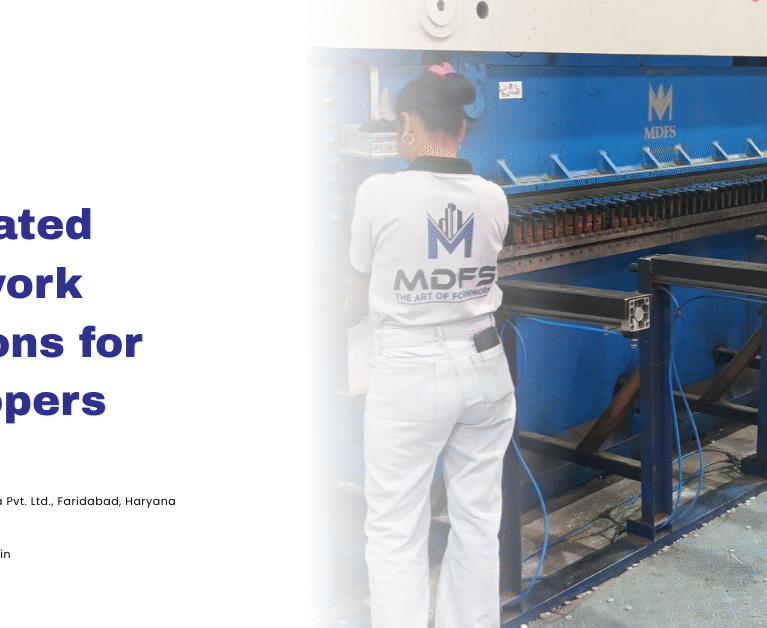
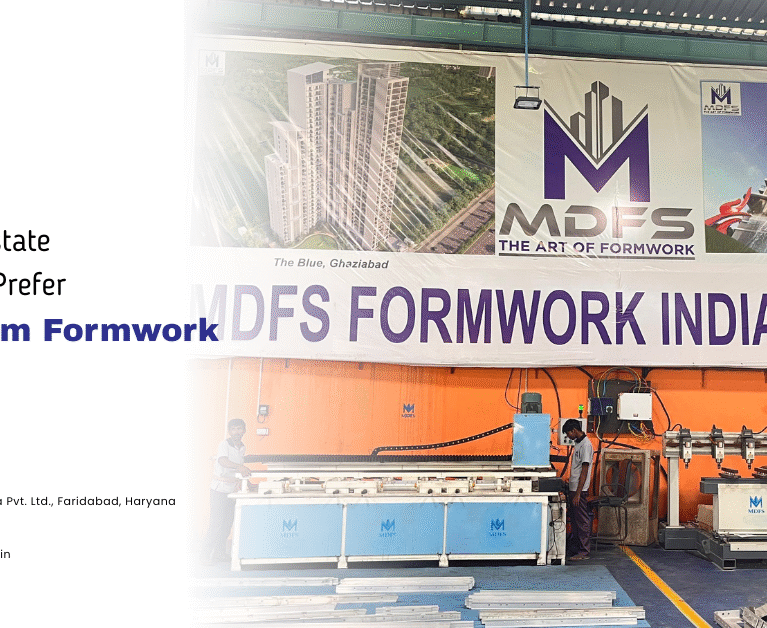
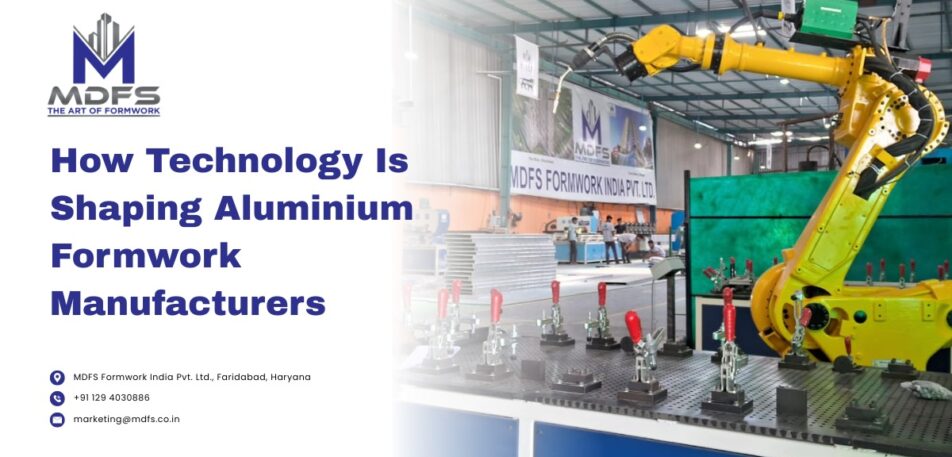
Automation is playing a crucial role in improving productivity and consistency. Modern aluminium formwork manufacturers are integrating CNC machines, robotic welding systems, and automated cutting tools into their production lines. These technologies help reduce manual labor, speed up production cycles, and ensure uniform quality across components.
By automating repetitive tasks, manufacturers can focus more on innovation and design optimization. Additionally, automation reduces material wastage, which directly impacts cost efficiency and sustainability, two critical factors in today’s construction ecosystem.
Integration of IoT and Smart Monitoring
The Internet of Things (IoT) is gradually making its way into manufacturing and construction workflows. Aluminium formwork manufacturers are beginning to use IoT-enabled devices to track equipment performance, monitor production processes, and manage inventory in real time.
Smart sensors can provide insights into machine usage, maintenance needs, and operational efficiency. This data-driven approach helps manufacturers make informed decisions, reduce downtime, and maintain consistent output levels. On construction sites, IoT can also be used to monitor the usage and movement of formwork systems, improving accountability and logistics.
Advanced Materials and Surface Technologies
While aluminium remains the core material, technological advancements are enhancing its performance. New surface treatment techniques and coatings are being developed to increase durability, improve finish quality, and extend the lifecycle of formwork systems.
These innovations reduce the need for frequent replacements and repairs, making aluminium formwork a more cost-effective solution over time. For aluminium formwork manufacturers, investing in material research and development has become a key differentiator in a competitive market.
Cloud-Based Collaboration and Project Management
Cloud technology is transforming how aluminium formwork manufacturers collaborate with clients and project stakeholders. With cloud-based platforms, teams can share designs, track progress, and communicate updates in real time, regardless of location.
This level of transparency improves project coordination and ensures that everyone involved is aligned. It also allows manufacturers to respond quickly to changes, reducing delays and enhancing overall project efficiency.
Data Analytics for Better Decision-Making
Data is becoming a powerful asset for aluminium formwork manufacturers. By analyzing production data, project timelines, and client requirements, manufacturers can identify patterns and optimize their operations.
Predictive analytics can help forecast demand, plan inventory, and allocate resources more effectively. This not only improves operational efficiency but also enhances customer satisfaction by ensuring timely delivery and consistent performance.
Sustainability Through Technology
Sustainability is no longer optional in construction, it is a necessity. Technology is enabling aluminium formwork manufacturers to adopt more eco-friendly practices. From reducing material waste through optimized cutting techniques to using energy-efficient machinery, manufacturers are actively working toward minimizing their environmental impact.
Additionally, the reusable nature of aluminium formwork systems aligns well with sustainable construction goals. With technological support, manufacturers can maximize the number of reuse cycles, further reducing resource consumption.
The Role of Artificial Intelligence
Artificial Intelligence (AI) is beginning to influence the manufacturing landscape. AI-powered tools can analyze design requirements, suggest optimal formwork configurations, and even automate certain aspects of planning.
For aluminium formwork manufacturers, AI offers opportunities to enhance efficiency, reduce human error, and deliver smarter solutions. As AI technology continues to evolve, its role in shaping the future of formwork manufacturing will only grow stronger.
Staying Competitive in a Tech-Driven Market
In today’s fast-paced construction environment, staying competitive means embracing innovation. Aluminium formwork manufacturers that invest in technology are better equipped to handle complex projects, meet tight deadlines, and deliver superior results.
Clients are increasingly looking for partners who can offer not just products, but complete solutions backed by technology. This shift is pushing manufacturers to continuously upgrade their capabilities and adopt a more forward-thinking approach.
Conclusion
Technology is no longer a supporting element; it is a driving force behind the evolution of aluminium formwork manufacturers. From digital design and automation to IoT and AI, these advancements are transforming every aspect of the industry.
Manufacturers who adapt to these changes are not only improving their operational efficiency but also setting new standards for quality and reliability in construction. As technology continues to evolve, it will further reshape the landscape, creating new opportunities and challenges for aluminium formwork manufacturers worldwide.
The future belongs to those who innovate and in this rapidly changing environment, technology is the key to unlocking that future.